
Understanding Wills: A Comprehensive Guide to Estate Planning
Introduction to Wills
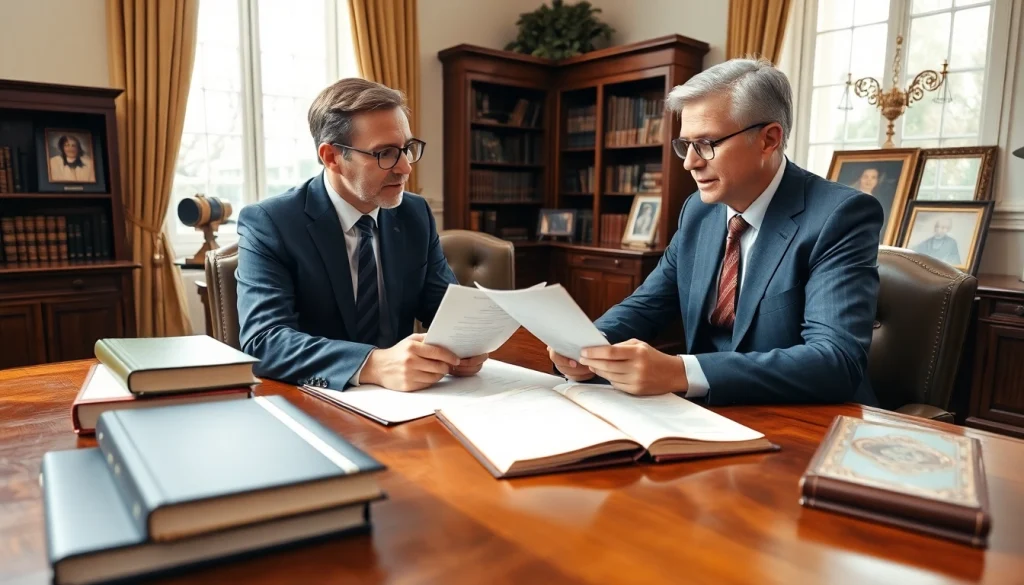
When it comes to securing your legacy and ensuring your wishes are honored after you pass away, having a valid legal document known as a will is paramount. A will serves as a comprehensive guide outlining how your assets and responsibilities should be handled following your death. It lets you dictate where your property goes, who looks after your minor children, and how your final wishes should be carried out. In essence, Wills play a crucial role in estate planning, forming the backbone of a responsible approach to managing one’s affairs.
What is a Will?
A will is a legal declaration of a person’s intentions regarding the distribution of their property and care of any minor children upon their death. It is formally referred to as a “last will and testament.” It outlines various instructions, including the handling of debts, specifying beneficiaries, naming an executor to manage the estate, and detailing any funeral arrangements. The creation of a will can provide peace of mind, knowing that you have taken steps to address your loved ones’ futures.
Importance of Wills in Estate Planning
A well-structured will is crucial for several reasons. Firstly, it minimizes uncertainty around your estate’s administration, ensuring that assets are distributed according to your wishes rather than dictated by state laws. Secondly, it helps to avoid potential disputes among family members, which can arise in the absence of clear instructions. Additionally, having a will can expedite the probate process, which is the legal procedure validating the will and administering the estate. Moreover, designating guardianship for minors ensures that your children are cared for by individuals you trust, establishing their welfare as a priority.
Common Misconceptions about Wills
Despite their significance, many misconceptions about wills persist. A prevalent belief is that only wealthy individuals need wills, but this is far from true. Regardless of your financial situation, having a will is vital for everyone. Another common myth is that verbal wishes can substitute for a written will. In legal terms, oral declarations are not typically recognized, making written documentation essential. Additionally, some people think that creating a will is overly complicated and only lawyers can draft them; however, many resources are available to help individuals create their own if they prefer to do so.
Types of Wills
Understanding the different types of wills available can help you decide the best fit for your personal circumstances. Various options cater to specific needs and preferences.
Simple Wills Explained
A simple will is perhaps the most straightforward form of will. It typically includes directives on how to distribute assets and can name guardians for any dependents. Simple wills are generally suitable for individuals with uncomplicated estates and few assets. They require minimal legal jargon and can often be crafted without requiring professional legal assistance, although professional guidance can ensure completeness and compliance with legal standards.
Living Wills: What You Need to Know
A living will, different from a last will and testament, provides directives about medical treatment preferences in situations where you may not be able to communicate. This document specifies which life-saving medical interventions you do or do not wish to receive in cases of terminal illness or incapacitation. The intention is to relieve loved ones from decision-making burdens during emotionally intense moments.
Testamentary Trust Wills Overview
A testamentary trust will includes provisions for establishing trusts that come into effect upon your death. These trusts can manage the distribution of your assets for your beneficiaries over time rather than a lump-sum distribution. This type of will is beneficial for circumstances where beneficiaries may lack the financial acumen to manage a significant inheritance, or when you want to set specific conditions for asset distribution, such as reaching a certain age.
How to Write a Will
The process of writing a will, while requiring careful consideration, can be broken down into manageable components. Here’s a step-by-step approach to ensure your will is comprehensive and legally sound.
Essential Components of a Will
Key elements of a will include your personal information, such as your name and address, a declaration that the document is indeed your last will and testament, and the date it was created. Further, you should specify your executor—the person responsible for administering your estate. It should also include detailed directives for asset distribution, specifying beneficiaries clearly. Additionally, including provisions for guardianship of minor children, if applicable, is crucial.
Steps to Drafting Your Will
- Start by making a list of assets, including property, investments, personal possessions, and debts.
- Determine how you would like your assets to be distributed and who will receive them.
- Choose your executor and, if necessary, alternate executors, ensuring they agree to the responsibility.
- Consider naming guardians for any minor children.
- Draft the will, ensuring you adhere to legal drafting requirements, including the need for witnesses.
- Review and, if necessary, revise the will to ensure it reflects your current wishes.
- Sign the will in the presence of witnesses and have them sign as well.
Choosing the Right Executor for Your Will
Choosing an executor is one of the most significant decisions in the estate planning process. The executor is responsible for managing your estate, ensuring debts are paid, and that your wishes are fulfilled according to the will. Important attributes to look for in an executor include reliability, organizational skills, and financial acumen. It’s advisable to discuss your choice with the potential executor beforehand to ascertain their willingness to take on this responsibility.
Legal Requirements for Wills
Legalities surrounding will creation vary by jurisdiction but remain a critical consideration. Familiarity with these requirements ensures that your will is enforceable.
Age and Mental Capacity Requirements
To create a valid will, an individual generally must be of legal age, which is usually 18 years or older. Additionally, it’s imperative that the person creating the will possesses the mental capacity to understand the implications of their decisions, including awareness of their assets, the people they are benefitting, and the consequent effects of their choices.
Witnessing and Signing a Will
Most jurisdictions require at least two witnesses to sign the will, confirming that they have observed the individual signing it. These witnesses typically must not be beneficiaries of the estate to eliminate potential conflicts of interest. Having notarized documents can add an extra layer of validation to the will, although this may not be necessary in all jurisdictions.
State-Specific Laws on Wills
Wills are subject to state laws, which can differ significantly from one jurisdiction to another. Critical distinctions may include the required number of witnesses, the status of handwritten versus typed wills, and specific provisions for special scenarios, such as serving in the military. Consulting with a legal expert in your region can help ensure compliance with local laws.
FAQs about Wills
What happens if I die without a Will?
If you pass away without a will, your estate will be distributed according to state laws, known as intestacy laws. This often leads to outcomes you may not approve of, such as disallowing specific beneficiaries or distributing assets unevenly among family members.
Can I change my Will once it’s made?
Yes, wills can be amended or revoked at any point before your death. Changes must be made following legal guidelines to ensure the new document is valid, typically through a codicil or by drafting an entirely new will.
How often should I update my Will?
It’s advisable to review your will every few years or notify changes in personal circumstances, such as marriage, divorce, the birth of children, or significant financial changes.
Are handwritten Wills legal?
Handwritten wills, also known as holographic wills, can be legal depending on state laws. However, they must be completely written, dated, and signed by the testator without guidance from witnesses. This option is often less secure compared to formally drafted wills.
What is the difference between a Will and a trust?
A will handles the distribution of assets upon death and goes through probate. In contrast, a trust can manage assets during and after your lifetime, potentially avoiding probate. Trusts can also provide greater control over asset distribution, especially for minor beneficiaries.