
Sunwin’s Innovative Textile Solutions for 2026: Essential Strategies for Success
Overview of Sunwin in the Textile Industry
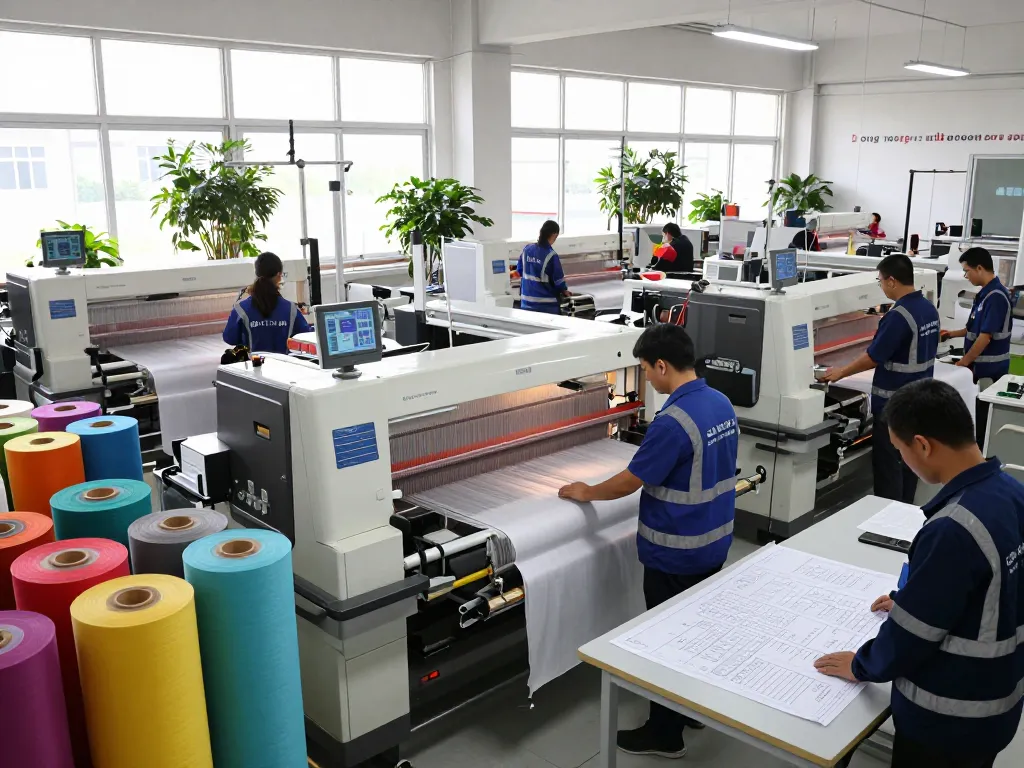
Sunwin stands as a prominent figure within the textile industry, boasting a rich legacy of innovation and excellence. Incorporated into the global market, the company has steadily carved out a niche for itself by delivering high-quality textiles that cater to various consumer needs. With sustainability at the forefront of its operations and a commitment to technological advancement, Sunwin continually adapts to shifting market landscapes. When exploring options, sunwin provides comprehensive insights into its diverse offerings and robust solutions for customers seeking quality products.
History and Evolution of Sunwin
Founded in the early 2000s, Sunwin has evolved from a local manufacturer into a global leader in the textile sector. Its history is marked by strategic acquisitions and partnerships, which have expanded its product range and market reach. From introducing cutting-edge fabric technologies to establishing an extensive supply chain, Sunwin’s journey represents a commitment to growth and adaptation.
The company’s timeline reflects a series of pivotal moments, such as its entry into international markets and its embrace of eco-friendly production practices. With each milestone, Sunwin has reinforced its reputation for reliability and innovation, which continues to attract major retail partnerships worldwide.
Current Market Position and Competitive Edge
In today’s fast-paced textile industry, Sunwin maintains a competitive edge through a blend of quality, sustainability, and technological innovation. As a key player among global textile suppliers, Sunwin commands considerable market share, positioning itself strategically against rivals. Its partnerships with leading retailers not only highlight its credibility but also allow for direct feedback on consumer preferences and market trends.
Moreover, Sunwin’s focus on sustainable practices enhances its appeal, particularly among environmentally-conscious consumers. By investing in green technologies and sustainable sourcing, the company aligns itself with broader industry trends while appealing to a demographic increasingly concerned about the environmental impact of their purchases.
Core Products and Services of Sunwin
Sunwin’s product range is extensive, covering various segments in the home textiles and apparel markets. Notable categories include:
- Home Textiles: Bedding, curtains, and upholstery fabrics designed for durability and style.
- Fashion Apparel: A diverse assortment of clothing items that combine functionality with current fashion trends.
- Technical Textiles: Materials engineered for specific applications, such as outdoor gear and protective wear.
- Eco-Friendly Products: A dedicated line of textiles produced with sustainable materials and processes.
Each product is characterized by Sunwin’s commitment to quality and innovation, further embodied by its integration of advanced manufacturing technologies.
Key Trends in Textile Manufacturing for 2026
As the textile industry looks ahead to 2026, several key trends are shaping the landscape. Understanding these trends is essential for businesses aiming to remain competitive and meet consumer demands.
Adoption of Sustainable Practices
The shift toward sustainability is arguably the most significant trend affecting the textile industry. Increasingly, consumers are prioritizing brands that adopt sustainable practices—from sourcing raw materials to manufacturing processes. Companies like Sunwin are leading the charge by integrating eco-friendly materials, reducing waste, and employing energy-efficient technologies.
By 2026, reports suggest that sustainability will not just be an advantage but a necessity. Brands that fail to adapt may risk losing market share to competitors who prioritize ecological responsibility.
Technological Innovations in Production
Another pivotal trend is the technological transformation within textile manufacturing. Innovations such as automation, artificial intelligence, and advanced textile machinery are redefining production efficiency. These technologies not only expedite processes but also improve precision and reduce costs.
Sunwin has begun incorporating such technologies, which enhance the quality and consistency of its products. By staying ahead of technological advancements, Sunwin ensures it can meet the evolving demands of its clients swiftly.
Shifts in Consumer Preferences and Market Demands
Shifts in consumer preferences are revolutionizing the textile industry. As buyers become more discerning, there is a growing demand for personalized and unique products. Concurrently, the rise of e-commerce has propelled the need for swift and reliable supply chains.
For companies like Sunwin, understanding these shifts allows for the development of targeted marketing strategies and product offerings that resonate with consumers, thereby enhancing competitiveness in the crowded marketplace.
Best Practices for Success in Textile Production
To navigate the complexities of the textile production landscape successfully, companies must adopt best practices that optimize operations and drive growth.
Implementing Lean Manufacturing Principles
Lean manufacturing principles emphasize minimizing waste while maximizing productivity. By adopting these principles, textile manufacturers can streamline operations, reduce lead times, and improve quality. Sunwin utilizes lean methodologies to enhance efficiency, ultimately delivering greater value to customers.
Optimizing Supply Chain Management
Effective supply chain management is essential for maintaining efficiency in textile production. By collaborating closely with suppliers and utilizing data analytics, companies can forecast demand accurately and manage inventory levels effectively. Sunwin’s proactive approach to supply chain optimization ensures it can respond quickly to market changes.
Integrating Digital Technologies for Efficiency
Incorporating digital technologies into manufacturing processes can significantly improve operational efficiency. From automation in production lines to data analytics for market insights, digital technologies enable companies to enhance decision-making and responsiveness. Sunwin’s investment in digitalization exemplifies its commitment to remaining competitive in the modern textile landscape.
Case Studies: Success Stories of Sunwin’s Impact
Examining real-world applications of Sunwin’s innovations provides valuable insights into its impact within the textile industry.
Collaborations with Leading Retail Brands
Sunwin has forged strategic partnerships with several leading retail brands, enhancing its market presence and credibility. Through these collaborations, Sunwin not only supplies high-quality textiles but also shares insights on consumer preferences to better cater to market demands.
These alliances have enabled Sunwin to participate in high-profile product launches, showcasing its ability to innovate while meeting the specific needs of its partners.
Successful Product Launches and Market Reception
One notable case is Sunwin’s launch of a sustainable clothing line that incorporates recycled materials. The product line received positive market feedback, underscoring the growing consumer interest in eco-friendly options. This success demonstrates Sunwin’s capability to identify and respond to market trends effectively.
Innovative Solutions for Customer Challenges
Sunwin has also addressed customer challenges through innovative solutions. For instance, the introduction of customizable textile options allowed retail partners to offer tailor-made products, thereby enhancing customer loyalty. Such responsiveness to customer needs fortifies Sunwin’s position as a trusted industry leader.
Future Outlook for Sunwin and the Textile Industry
The future of Sunwin and the larger textile industry is poised for notable shifts driven by challenges and opportunities that will emerge by 2026.
Predicted Challenges and Opportunities in 2026
One of the most significant challenges facing textile manufacturers is navigating the complexities of sustainability regulations. Companies must be proactive in adopting practices that comply with emerging environmental standards, a task that will require investment and innovation. However, within these challenges lie opportunities for differentiation based on sustainability efforts that resonate with consumers.
Investment in Research and Development
To stay ahead of industry trends, continuous investment in research and development (R&D) will be vital. By focusing on R&D, Sunwin can innovate its product offerings, explore new materials, and enhance production processes, ultimately ensuring long-term growth and sustainability.
Strategic Partnerships for Growth and Expansion
Strategic partnerships will play a crucial role in Sunwin’s growth strategy. Collaborating with other industry players can facilitate the sharing of resources, technology, and insights, enabling Sunwin to adapt quickly to market changes and enhance its competitive positioning.
What products does Sunwin offer?
Sunwin specializes in a diverse array of textiles, including home furnishings, fashion apparel, and eco-friendly products designed to meet the evolving needs of consumers.
How does Sunwin ensure quality in its manufacturing?
Quality assurance is integral to Sunwin’s manufacturing process, involving rigorous testing and adherence to international standards to guarantee superior products.
What are the sustainability initiatives of Sunwin?
Sunwin is committed to sustainability through the use of eco-friendly materials, energy-efficient production methods, and waste reduction strategies.
How can businesses collaborate with Sunwin?
Businesses interested in collaboration can explore mutually beneficial partnerships in product development, technology sharing, and supply chain optimization.
What trends should the textile industry watch for in 2026?
Key trends to watch include the increasing demand for sustainable practices, technological advancements in production, and shifting consumer preferences towards personalized products.