Mastering the Veranda Configurator: 5 Essential Tips for 2026
Understanding the Veranda Configurator
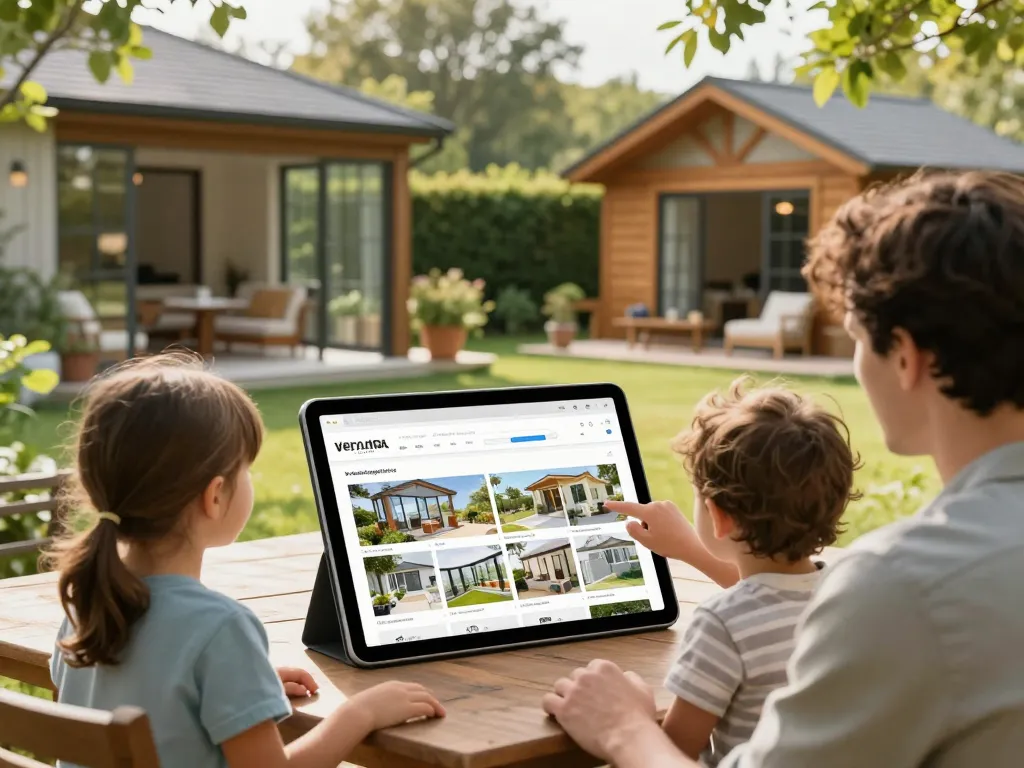
In today’s digital age, enhancing your outdoor space has never been easier, thanks to innovative tools like the veranda configurator. This powerful software allows homeowners and businesses to design and customize their verandas with unparalleled flexibility and precision. By using a Veranda configurator, users can visualize their design choices in real-time, ensuring that their final product aligns perfectly with their vision. Whether you’re looking to increase your home’s aesthetic appeal or simply extend your living space, understanding how a veranda configurator works is the first step towards achieving your desired outcome.
What is a Veranda Configurator?
A veranda configurator is an online tool that enables users to create and customize veranda designs to suit their preferences and needs. This software typically features a user-friendly interface that allows customers to choose from different styles, materials, colors, and additional features like lighting and heating. By providing a 3D visualization, users can see how their selections come together, ensuring they are satisfied with both the aesthetics and functionality of their designs before making a commitment.
Key Features That Enhance User Experience
Modern veranda configurators come equipped with a variety of features designed to improve user experience:
- Intuitive Interface: Easy navigation allows users to customize their designs without needing technical skills.
- Real-Time 3D Visualization: Users can instantly see changes reflected in a 3D model, helping visualize the final outcome.
- Material and Finish Selection: Various options for glass, wood, and metal finishes give users flexibility in design.
- Cost Estimation Tools: Many configurators provide immediate pricing estimates based on selected features, allowing users to stay within budget.
- Export Features: Users can often export their designs and estimates for further consultation or direct purchase.
Benefits of Using a Veranda Configurator
The benefits of employing a veranda configurator are manifold:
- Customization: Users can tailor their veranda to match their unique tastes and functional requirements.
- Reduced Miscommunication: 3D models can clarify design specifications, minimizing errors that may occur in the construction phase.
- Convenience: Customers can experiment with designs from the comfort of their homes at any time, without the pressure of a salesperson.
- Efficiency: Speeds up the decision-making process by allowing users to visualize options immediately rather than relying on physical samples.
Choosing the Right Style for Your Veranda
When selecting a veranda style, it’s essential to consider both your home’s architecture and your personal lifestyle. A well-chosen style can enhance the overall look of your property and provide a comfortable space for relaxation or entertainment.
Popular Veranda Styles and Their Features
There are several popular veranda styles to choose from, each with its characteristics:
- Traditional Veranda: Often characterized by classic railings and arches, this style is perfect for older homes seeking to maintain historical integrity.
- Modern Veranda: Featuring clean lines and minimalistic designs, modern verandas often incorporate glass and steel for a sleek appearance.
- Victorian Veranda: Known for decorative elements and ornate details, Victorian verandas can add a touch of elegance and charm.
- Open-Concept Veranda: These designs promote airflow and outdoor connectivity, often leaving the traditional walls behind to provide a more natural feel.
Customization Options to Consider
Customizing your veranda means exploring various elements beyond just the structure itself. Consider the following:
- Roofing Options: Choices range from solid roofs for shelter to transparent materials that let in natural light.
- Flooring Materials: Options like wood, composite, or tiles can affect durability and style.
- Color Schemes: Picking colors that complement your home can unify the outdoor aesthetic.
- Furniture and Accessories: Select outdoor furniture that suits both style and comfort.
Visualizing Your Design with 3D Tools
One of the most significant advantages of a veranda configurator is the ability to visualize your design in 3D. This immersive experience allows you to rotate, zoom, and inspect every aspect of your planned veranda. 3D visualizations help in making informed decisions regarding size, layout, and proportion, ensuring the selected designs work harmoniously with the existing property.
Common Challenges When Using a Veranda Configurator
While veranda configurators provide valuable assistance, users might encounter several challenges that can impact their experience. Below are some common issues and ways to overcome them.
Technical Issues and How to Overcome Them
Technical challenges can arise while using an online configurator, such as slow loading times or application glitches. To mitigate these problems:
- Use a Reliable Internet Connection: Ensure you are connected via a stable network to optimize performance.
- Keep Your Browser Updated: Always use the latest version of web browsers for compatibility with modern software.
- Clear Your Cache: This can prevent loading issues and enhance overall application performance.
Managing Expectations: Cost vs. Design Complexity
One of the most significant hurdles is balancing design complexity with budget constraints. Here are some strategies to help manage expectations:
- Set a Clear Budget: Before starting your design, decide on a budget that includes materials, labor, and potential extras.
- Prioritize Features: Determine which elements are essential and which are optional to help streamline costs.
- Consult with Professionals: If possible, seek advice from designers or contractors who can provide insights on what is feasible within your budget.
Dealing with Design Limitations
Every configurator has its limitations, and understanding these can help you avoid frustration:
- Familiarize Yourself with Software: Spend time exploring the configurator to discover all available features and settings.
- Be Open to Alternatives: If certain designs are not possible, be flexible and consider alternative designs that offer similar benefits.
- Use Support Resources: Many platforms offer tutorials or customer support for users facing challenges—don’t hesitate to leverage these resources.
Step-by-Step Guide to Creating Your Ideal Veranda
Creating the ideal veranda using a configurator involves a systematic approach. Here’s a straightforward guide to help you navigate the process.
Setting Your Requirements and Preferences
Before using the configurator, outline your needs and preferences:
- Define Purpose: Decide how you intend to use the space—entertaining, relaxation, or as a garden space.
- Gather Inspiration: Collect images and ideas from various sources to help visualize your ideal design.
- Consider Location: Assess the geographical location, as environmental factors may influence your design choices.
Using the Configurator Effectively
When using the configurator software, efficiency is key:
- Start with a Template: Many configurators offer design templates that can serve as a great starting point.
- Experiment Freely: Don’t hesitate to try different colors and styles—this is a risk-free way to explore your options.
- Save Versions: Regularly save your work to avoid losing design progress, especially if exploring different ideas.
Finalizing the Design and Getting Estimates
Once you are satisfied with your design:
- Review and Adjust: Take time to review each aspect, adjusting features and aesthetics where necessary.
- Request Quotes: Several configurators allow users to generate quotes based on their final designs—take advantage of this feature.
- Consult with Experts: If needed, share your designs with professionals for feedback and possible refinements.
Future Trends in Veranda Configuration
The field of veranda design is evolving, and understanding upcoming trends can set you apart. Here are a few trends to keep an eye on as we look towards 2026.
Innovations in Design Technology for 2026
As technology advances, so do design capabilities:
- Augmented Reality (AR): Expect more configurators to incorporate AR, allowing homeowners to visualize how a veranda would look in their actual space before construction.
- Artificial Intelligence: AI can assist in creating personalized recommendations based on user preferences and historical data.
- Advanced Customization Tools: Look for more nuanced tools that enable users to fine-tune every detail, from the curvature of roofs to the placement of lighting fixtures.
Sustainability Trends in Veranda Design
Sustainability is becoming increasingly important in the construction industry, including veranda designs:
- Eco-Friendly Materials: Expect a rise in the use of sustainable materials such as reclaimed wood and energy-efficient glass.
- Solar Integration: More designs will likely incorporate solar panels to provide renewable energy for lighting and heating.
- Nature-Inspired Designs: Concepts that blend indoor and outdoor environments are becoming popular, encouraging the use of plants and living materials in design.
The Rise of Virtual Reality in Home Design
Virtual reality (VR) is poised to transform how we design and experience outdoor spaces:
- Immersive Design Experiences: Users will be able to walk through their designs in VR, giving them a better sense of scale and layout.
- Interactive Features: Enhanced interactivity will allow potential buyers to test features and make adjustments in real-time.
- Incorporation of Lifestyle Elements: VR can also introduce lifestyle simulations, helping users envision how they would use their new spaces.
What are the advantages of using a Veranda configurator?
The primary advantages include ease of customization, reduced miscommunication, and the ability to visualize designs in real-time. These features help streamline the design process, making it more efficient and enjoyable for users.
How can I customize my veranda design?
Customization can be achieved through various design elements including different roof types, materials, colors, and additional features like lighting and accessories. The configurator makes this process intuitive and visual.
What features should I look for in a Veranda configurator?
Look for features such as real-time 3D visualization, intuitive interface, multiple material selections, cost estimation tools, and options for exporting designs and quotes.
Are there common pitfalls when designing a veranda?
Common pitfalls include underestimating costs, not fully considering the impact of local weather conditions, and overlooking important structural elements that may affect the design.
What trends should I expect in veranda design for 2026?
Expect trends to focus on sustainability, technological advancements, and innovative designs that emphasize the integration of outdoor spaces with nature and efficient energy solutions.