
6 Expert Tips for Choosing the Right Bed Bug Exterminators in 2026
Understanding Bed Bugs: The Basics
Bed bugs are among the most notorious pests that can invade homes, causing both physical discomfort and emotional distress. These small, elusive insects thrive on human blood and can be particularly challenging to eliminate once they establish an infestation. Understanding the biology and behavior of bed bugs is crucial for effective management and prevention. For those seeking professional assistance, bed bug exterminators can provide tailored solutions to eradicate these pests, ensuring a restful and healthy environment.
What Are Bed Bugs and How Do They Infest?
Bed bugs, scientifically known as Cimex lectularius, are small, wingless insects that typically measure between 1 and 5 millimeters long. They are reddish-brown in color and are known for their flat, oval bodies. Adult bed bugs feed exclusively on the blood of humans and animals, making them ectoparasites. Their life cycle includes several stages: egg, nymph, and adult. A female bed bug can lay hundreds of eggs during her lifetime, leading to rapid population growth.
Infestations often begin when people unknowingly introduce bed bugs into their homes. Common sources include:
- Used furniture
- Travel luggage
- Second-hand clothing
- Mattresses and bedding
Bed bugs are excellent hitchhikers and can easily move between apartments and homes through cracks, crevices, and shared walls.
Signs of Bed Bug Infestations to Look For
Identifying a bed bug infestation early can significantly increase the chances of effective treatment. Some common signs include:
- Itchy welts on the skin, often in a line or cluster
- Small blood stains on bedding or furniture
- Dark spots (excrement) on sheets, mattresses, or walls
- Presence of shed skins or eggs
Regular inspections of sleeping areas and furniture can help catch an infestation before it escalates.
Health Risks Associated with Bed Bugs
While bed bugs are not known to transmit diseases, their bites can lead to various health issues. Most notably, individuals may experience allergic reactions to bed bug saliva, resulting in itching and discomfort. Additionally, scratching bites can lead to secondary infections. The psychological impact of an infestation should not be underestimated either; many people experience anxiety, insomnia, and stress as a result of living with bed bugs.
Choosing Your Exterminators Wisely
When facing a bed bug issue, selecting the right exterminator is critical to ensure a thorough and effective treatment. With numerous options available in the market, it’s essential to know what to look for and how to gauge the quality of services provided.
What to Look for in Bed Bug Exterminators
Choosing a reputable bed bug exterminator involves considering several factors:
- Experience and Expertise: Look for exterminators with a solid reputation and extensive experience in dealing with bed bugs specifically.
- Integrated Pest Management (IPM): Ensure they employ a comprehensive approach that includes both preventive measures and active treatment plans.
- Customer Reviews: Check online reviews and testimonials to gauge the satisfaction levels of previous clients.
- Licensing and Insurance: Verify that the exterminator has the necessary licenses and insurance to operate in your area.
Comparing Treatment Methods: Heat vs. Chemical
Two of the most common methods for bed bug extermination are heat treatment and chemical sprays. Understanding the pros and cons of each can help you make an informed decision:
- Heat Treatment: This method involves raising the temperature in the affected area to levels lethal for bed bugs. It’s an eco-friendly option that effectively kills all life stages, including eggs. However, it may require additional preparation and can be costlier.
- Chemical Treatment: Chemical sprays provide a residual barrier that can last for an extended period, often up to 120 days. While effective, they may involve the use of hazardous materials and require careful application to ensure safety.
Combining both methods can often yield the best results, ensuring immediate impact and long-term protection.
Questions You Should Ask Before Hiring
Before committing to any pest control service, it’s vital to ask the right questions:
- What methods do you use for bed bug extermination?
- Can you provide references or case studies of past successes?
- What is your follow-up protocol after treatment?
- How do you ensure the safety of children and pets during the treatment process?
The Bed Bug Extermination Process Explained
Gaining an understanding of the extermination process ensures that you know what to expect and can prepare your home accordingly. A systematic approach is essential for a successful eradication plan.
Initial Inspection: What to Expect
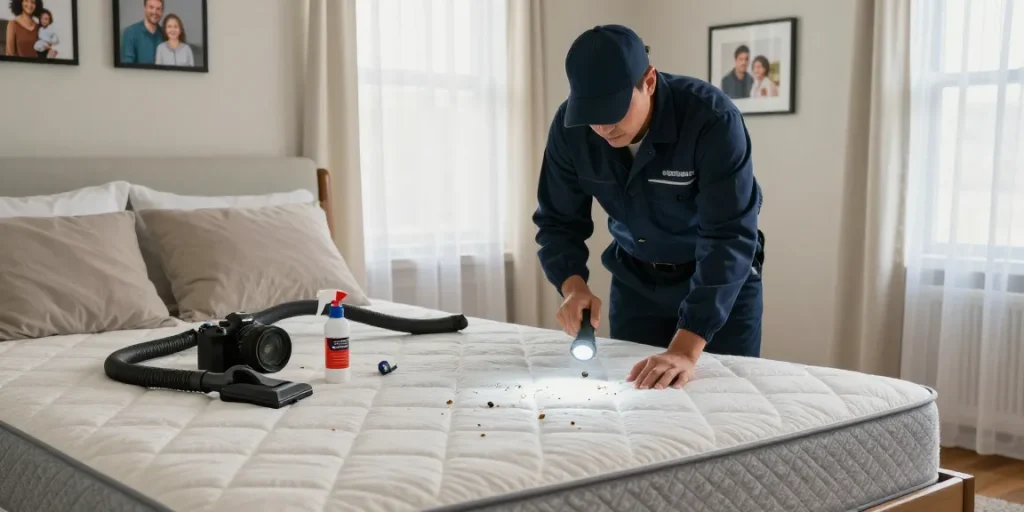
The first step in the bed bug extermination process is a thorough inspection. Exterminators typically look for signs of bed bugs in common hiding spots, including:
- In seams of mattresses and box springs
- Underneath bed frames
- Inside cracks in walls and furniture
- Behind baseboards and outlets
Accurate identification of the problem is crucial for determining the best course of action.
Preparing Your Home for Treatment
Preparation is key to the success of any extermination treatment. Clients may be required to:
- Remove clutter from the affected areas
- Wash linens, clothing, and bedding in hot water
- Vacuum thoroughly to remove visible bed bugs and eggs
- Follow specific guidelines provided by the exterminator
Some companies offer limited-prep options to make the process easier for clients, but standardized preparation usually results in better outcomes.
Post-Treatment: Ensuring Long-Term Success
After treatment, it is essential to monitor the area for any signs of returning bed bugs. Recommendations may include:
- Continuing to inspect areas regularly
- Utilizing mattress encasements to prevent future infestations
- Maintaining open communication with your exterminator regarding any concerns
Being proactive will help ensure the effectiveness of the extermination methods used.
Cost Factors for Bed Bug Extermination Services
Understanding the costs associated with bed bug extermination can help you budget effectively and avoid unexpected expenses. The cost of services can vary widely depending on several factors.
Understanding Pricing Models in Pest Control
Extermination companies may offer different pricing structures, including:
- Flat-rate pricing: A single fee for the entire job, often based on the size of the infestation.
- Per-treatment pricing: Charges applied for each treatment visit, which can add up if multiple visits are needed.
- Estimates based on property size: Larger properties can expect higher rates due to increased work and resources required.
Hidden Costs to Consider During Extermination
When budgeting for bed bug extermination, be aware of potential hidden costs, such as:
- Pre-treatment preparations (laundry, vacuuming, etc.)
- Follow-up inspections or additional treatments if initial methods fail
- Cost of replacement items if items cannot be treated
How to Budget for Bed Bug Treatment
To effectively budget for treatment, consider the following steps:
- Get multiple quotes from different exterminators to compare services and prices.
- Inquire about all-inclusive packages that may provide better value.
- Be prepared for possible multiple visits, which can increase overall cost.
Future Trends in Bed Bug Control by 2026
As the pest control industry evolves, new treatments and technologies continue to emerge. Staying informed on these trends can help consumers make educated choices regarding bed bug management.
Innovative Treatments for Effective Extermination
Future extermination methods may include more eco-friendly options, such as:
- Biological pest control, utilizing natural predators to manage bed bug populations.
- Insect growth regulators (IGRs) that prevent bed bugs from maturing and reproducing.
- New chemical formulations designed for effectiveness with minimal health risks.
The Role of Technology in Pest Detection
Advancements in technology are enhancing the ability to detect and manage bed bug infestations, including:
- Smart traps with sensors that notify homeowners of bed bug activity.
- Heat detection devices that quickly identify areas of warmth where bed bugs may be hiding.
- Data analytics to track infestations and predict potential outbreaks based on environmental conditions.
Preventive Measures to Avoid Future Infestations
Preventive measures are critical to avoiding future bed bug issues. Some strategies include:
- Regular inspections and monitoring of common infestation sources, especially after travel.
- Using protective encasements on mattresses and box springs.
- Educating household members about identifying and reporting potential signs of bed bugs early.
Frequently Asked Questions
Is professional extermination worth the cost?
Investing in professional extermination can save homeowners significant money and stress in the long run. Without effective treatment, infestations can grow rapidly, leading to costly damage and emotional burden.
What are the most effective treatments for bed bugs?
The effectiveness of treatments can vary depending on the severity of the infestation. Heat treatments and chemical sprays are currently the most commonly used and effective methods.
How can I tell if my home is infested?
Common signs include bites on your skin, blood stains on sheets, and the presence of tiny black or brown spots that may indicate bed bug droppings.
What safety measures are used during treatment?
Reputable exterminators prioritize safety by using approved chemicals, providing clear instructions for preparation and follow-up, and ensuring the area is well-ventilated during treatment.
How long does a typical extermination process take?
The length of time for extermination varies based on the treatment method used and the severity of the infestation. Generally, heat treatments may take a single day, while chemical treatments may require multiple visits over a few weeks.