
Essential Services Provided by a Roofing Company for Homeowners
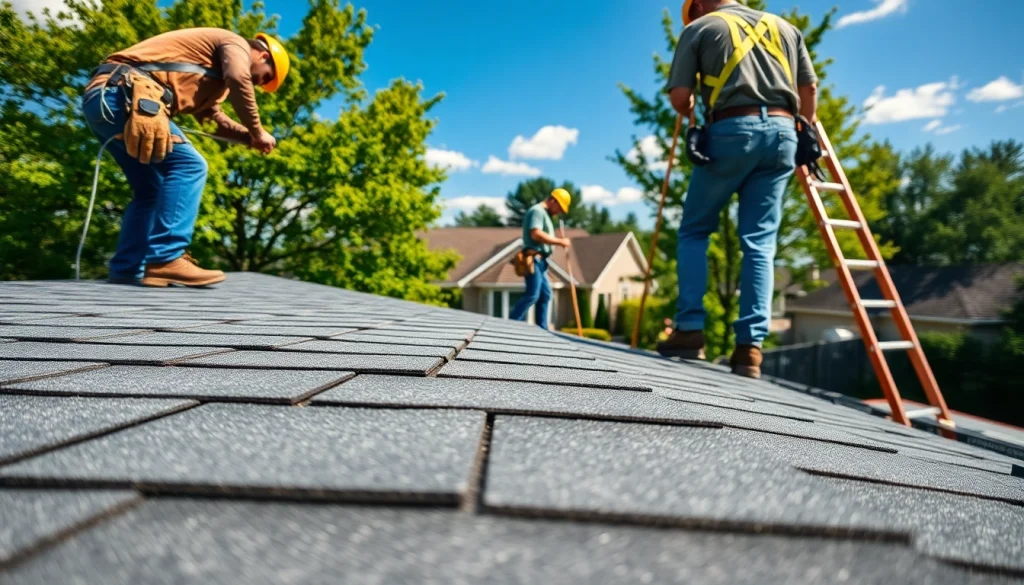
Understanding the Role of a Roofing Company
A roofing company plays a critical role in ensuring the integrity, safety, and longevity of your home. These specialists provide essential services that help homeowners maintain and enhance their property. Whether you’re facing minor repairs or planning a major roofing project, understanding what a roofing company can offer is vital. In this guide, we will explore the myriad services offered by a Roofing company, tips for selecting the right one, popular materials used, and much more to empower you as a homeowner.
What Services Do Roofing Companies Provide?
Roofing companies offer a variety of services tailored to meet the diverse needs of homeowners. Here’s a breakdown of the most common services:
- Roof Installation: A professional roofing company provides installation services for new roofs, ensuring proper setup to withstand elements.
- Roof Repairs: From minor fixes to major repairs, these companies address leaks, missing shingles, and structural damage.
- Maintenance and Inspections: Regular inspections help identify issues early, while maintenance services prolong roof lifespan.
- Emergency Services: Many roofing companies offer emergency services for unexpected damage from storms or accidents.
- Roofing Replacement: When repairs are no longer sufficient, a replacement service will remove and dispose of the old roof and install a new one.
- Consultation and Estimations: Professional companies provide assessments and estimates to help homeowners understand their needs and budget.
How to Choose the Right Roofing Company
Choosing the right roofing company can make all the difference in your roofing project. Here are key factors to consider:
- Experience and Reputation: Research the company’s history and read reviews to gauge customer satisfaction and reliability.
- Licensing and Insurance: Confirm that the company is licensed in your state and has liability insurance to protect you against potential damage during the project.
- Written Estimates: Obtain detailed written estimates from multiple companies to compare services and pricing genuinely.
- Warranty Options: Inquire about warranties on both materials and labor, as it can reflect the quality of work.
- Customer Service: Assess their communication skills and responsiveness, which are crucial for a smooth process.
Common Roofing Materials Used by Roofing Companies
Roofing companies utilize a variety of materials, each with its unique benefits and aesthetics. The most common roofing materials include:
- Asphalt Shingles: Popular for their affordability and ease of installation, asphalt shingles are versatile and come in various colors.
- Metal Roofing: A durable option that offers excellent longevity and energy efficiency, metal roofing can withstand severe weather conditions.
- Slate Tiles: Known for their stunning appearance and durability, slate is an excellent, long-term investment for premium home aesthetics.
- Clay and Concrete Tiles: These materials provide unique visual appeal and are particularly suited to warmer climates due to their ability to reflect sunlight.
- Wood Shingles and Shakes: Wood adds a rustic charm, but requires more maintenance to prevent issues like rot and insect infestation.
Evaluating Roofing Needs
Understanding your roofing needs is essential for making informed decisions. Start by assessing the current condition of your roof and knowing when to take action.
Signs You Need a Roof Repair
Recognizing the symptoms of roofing issues can prevent further damage. Common signs include:
- Visible leaks or water stains on ceilings and walls.
- Missing or damaged shingles.
- Granules from shingles collecting in gutters.
- Peeling paint or wallpaper in the attic.
- Higher energy bills indicating potential insulation issues due to roof degradation.
When to Consider a Roof Replacement
Sometimes repairs may not suffice, and a full replacement is necessary. Situations warranting a replacement include:
- Your roof is more than 20-25 years old.
- Widespread damage or severe sagging.
- A significant roof leak that has compromised structural integrity.
- Frequent repairs that cost more than 25% of the roof’s value.
Assessing Your Roofing Budget
Setting a realistic budget is crucial for any roofing project. Consider the following elements:
- Type of Material: Higher-quality materials may cost more upfront but could save money in the long run due to durability.
- Scope of Work: Extensive repairs may require more funds; assess whether you’re looking for minor repairs or a complete overhaul.
- Labor Costs: Varying complexity in installation will affect labor costs. Be sure to factor this into your budget.
- Hidden Issues: Prepare for unexpected costs related to underlying structural problems discovered during the project.
Benefits of Hiring a Professional Roofing Company
While some homeowners may consider undertaking roofing projects themselves, hiring a professional roofing company yields numerous benefits that can save you time, money, and stress.
Expert Installation vs. DIY
Many homeowners might be tempted to handle roofing tasks themselves to cut costs. However, DIY roofing can lead to numerous complications:
- Skill and Knowledge: Professionals understand local building codes and best practices, minimizing the risk of errors.
- Safety: Roofing can be dangerous; professionals have the necessary equipment to perform tasks safely.
- Time Efficiency: A professional roofing team can complete jobs faster than an inexperienced homeowner.
Warranty and Insurance Issues
Hiring a licensed roofing company means your investment is protected through warranties and insurance:
- Warranties on materials ensure that if defects arise, the company will honor repairs.
- Liability insurance protects you from financial loss in the event of accidental damage during the project.
Long-term Cost Savings with Quality Work
Investing in a professional roofing service often pays off in the long run:
- Quality workmanship leads to fewer repairs in the future.
- Energy-efficient roofs can result in lower utility bills.
- Quality materials increase longevity, saving costs on premature replacements.
Maintaining Your Roof
Regular maintenance can extend the lifespan of your roof significantly. Here are essential maintenance tips to keep your roof in top condition.
Regular Inspection and Maintenance Tips
Conducting regular inspections will allow you to catch issues early. Here are effective inspection tips:
- Inspect your roof at least twice a year, ideally in spring and fall.
- Look for wear and tear, such as cracked shingles or rusted metal.
- Check gutters and downspouts for blockages; clean them regularly.
Seasonal Preparations for Your Roof
Each season brings unique challenges for your roof. Here’s how to prepare:
- Winter: Ensure proper insulation and ventilation to avoid ice dams.
- Spring: Check for storm damage and clean out debris.
- Summer: Inspect shingles and seals for sun damage.
- Fall: Clean leaves from the roof and gutter to prevent clogging.
Dealing with Common Roofing Problems
When roofing problems arise, knowing how to address them can save time and money:
- Leak Repairs: Utilize roofing cement or professional assistance for persistent leaks.
- Shingle Replacement: Remove damaged shingles and replace them, ensuring they are secured properly.
- Moss and Algae Growth: Use a moss removal solution or hire professionals to clean your roof safely.
FAQs About Roofing Companies
How much does roofing repair typically cost?
The cost of roofing repair can vary widely based on the extent of damage and materials needed, ranging from a few hundred to several thousand dollars.
What is the best type of roofing material?
The best roofing material depends on your budget, climate, and aesthetic preferences, with options such as asphalt shingles, metal, and tile each offering unique benefits.
How long does a roof installation take?
The installation duration varies by project size and complexity, typically ranging from one day for simple repairs to several days for full replacements.
Are roofing estimates free?
Most reputable roofing companies offer free estimates to help homeowners understand costs and scope before committing to services.
What factors affect roof longevity?
Factors include the quality of materials used, installation techniques, the local climate, and ongoing maintenance practices that keep the roof in good condition.